Starting January 2026, Ontario will implement the revised CAN/ULC 536:19 Standard for annual fire alarm inspections. This revision introduces more rigorous requirements, comprehensive reporting, and a significantly expanded inspection scope.
For building owners, facility managers, and property management teams throughout Ontario, these changes will have a direct effect on compliance, scheduling, and 2026 budgeting.
System documentation must be identified & available at the time of inspection.
Inspection reports, including monthly checks, are now part of the “body” of the standard. This means little to no room for modified templates. Standardization is the new norm.
Deficiency records will now be far more detailed. Owners and property managers are required to formally acknowledge and sign off on any deficiencies, creating a clear record of responsibility.
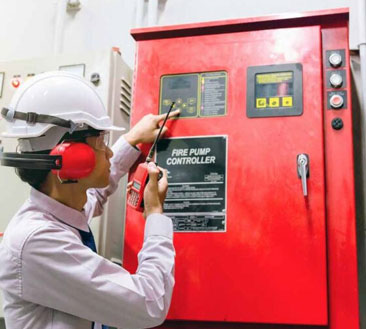
With inspections becoming more detailed—especially for sophisticated, networked, intelligent, or multi-zone systems—technicians will need additional time onsite to complete their assessments.
Due to the expanded testing procedures and detailed reporting requirements, many facilities may see their annual inspection expenses rise by as much as 35% in 2026.
The updated standard formalizes fault tolerance testing and mandates extra documentation, improving both system reliability and clarity in reporting.

Battery testing methods have been reduced from five to three, including one entirely new method. Battery capacity meters are OUT. 200W/5 Ohm power resistors are IN.
Expanded Standard: Nearly 90+ revisions, 100+ new items, and 23 new glossary definitions have been added, marking the biggest overhaul in two decades.
Each inspection day must now be logged by the technician, adding clarity and accountability.
Don’t wait until next year. Contact your VSS representative today for a tailored inspection estimate based on your building’s system. We’re here to guide you every step of the way through this important transition.

